 Make an appointment
 log in
+998 (55) 508-50-00 Call-center
ADVERTISEMENT!
Endocrinology Center Announces Admission to Clinical Residency
Required Documents:
- Application to the Director of the Endocrinology Center.
- Document of higher education.
- Passport (copy).
- Medical certificate form 086.
- Autobiography.
- A copy of the labor book certified, for employed persons.
- Characteristics from the place of work (for persons with work experience).
- Photographs 3x4 (4 pieces).
- Personal sheet.
- Document granting benefits.
Acceptance of documents until August 15, 2024 (inclusive). Acceptance of documents offline and online at dalimova.guzal@mail.com.
Phone numbers: +998 90 917 04 01 (telegram)

Announcement!
Clinical residency enrollment announced!!!
List of documents:
1) Application
2) Photo 3,5 by 4,5 - 6pcs
3) Med. Certificate (form O86 U)
4) Copy of passport
5) Bachelor's diploma
6) Diploma supplement (evaluation sheet)
7) Military card
8) Autobiography
All documents are accepted online.
For all questions contact:
Dalimova Guzal Abdurashitovna - 90 917 04 01
Telegram : 90-917 04 01
Mail for receiving documents in scanned form: dalimova.guzal@mail.com
https://t.me/+X-AIE7hsyE0yYzAy
Handwrite the application in any language and send it to
in pdf version!!!
Директору РСНПМЦЭ
им. Академика
Я.Х.Туракулова МЗ РУз,
д.м.н. Ф.Ф. Тураеву
от _________________________
Application
I request to be admitted to the competitive selection to clinical residency in the specialty of endocrinology
------------------------------------------------------------------------------------------------------------------------
List of documents
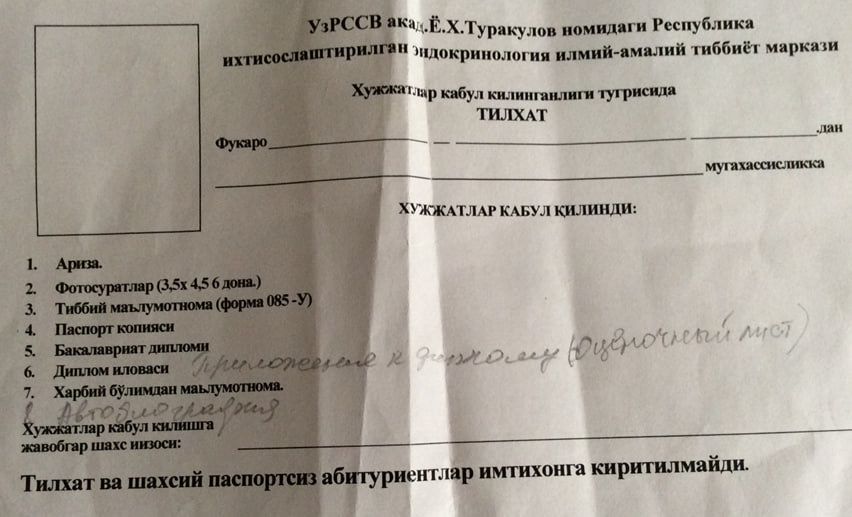
If there is a foreign language certificate!!!!
------------------------------------------------------------------------------------------------------------------------
Fill out these tables
Республиканский специализированный научно-практический медицинский центр эндокринологии
|
№ |
Фамилия, имя, отчество |
Год рождения, место жительства | Когда и какой институт окончил (указать факультет) диплом № | Форма изучена в ОТМ (Грант или контракт) |
По Специали зации |
Место работы |
Стаж работы по специали зации |
Область специализации, представляемая для поступления в клиническую ординатуру (ординатуру). |
|
1 |
|
|
|
|
|
|
|
|
Телефоны и эл почта
|
№ |
ФИО |
|
телефон |
|
1. |
|
|
|
------------------------------------------------------------------------------------------------------------------------
ТИЛХАТ– РУХСАТНОМА
|
Гражданин: |
|
|
Серияси номер паспорта: |
|
|
Специализация: |
ЭНДОКРИНОЛОГИЯ |
|
Топшириш урни: |
|
|
Язык теста: |
|
|
Ваш аккаунт зарегистрирован и вы можете участвовать в розыгрыше. |
|
|
Бланк чека распечатывается на принтере, в день вступительного испытания предъявляется паспорт абитуриента. |
|
------------------------------------------------------------------------------------------------------------------------
Директору РСНПМЦЭ
им. Академика
Я.Х.Туракулова МЗ РУз,
д.м.н. Ф.Ф. Тураеву
от _________________________
Заявление
Прошу допустить меня к участию на конкурсный отбор в клиническую ординатуру по специальности эндокринология
Написать от руки и прислать в pdf варианте!!!
--------------------------------------------------------------------------------------------------------------------------------
Diseases of the hypothalamic-pituitary system.
Hormonal regulation of metabolism in norm and pathology.
Pituitary structure. Biological effects of pituitary and hypothalamic hormones. Mechanism of reconnection.
Diseases of HGS: acromegaly, gigantism, dwarfism.
Diseases of HGS: non-sugar diabetes, Sheehan's syndrome, Icenko-Cushing's disease (etiology, pathogenesis, diagnosis, methods of treatment).
Obesity
Obesity. Classification, etiology, pathogenesis, clinic, modern methods of treatment.
Diabetes Mellitus
Diabetes mellitus: epidemiology, etiology, pathogenesis, classification. Treatment of diabetes mellitus. Diet therapy, sugar-reducing drugs and biguanides, mechanism of action, indications and contraindications.
Treatment of diabetes mellitus. Diet therapy, sucralose preparations and biguanides, mechanism of action, indications and contraindications.
Insulin therapy (instructions, types of insulin, dose calculation, complications). Comas: hypoglycemic, ketoacidotic (etiology, pathogenesis, differential diagnosis, measures to get out of coma).
Diseases of the thyroid gland
Synthesis and biological effects of thyroid hormones. Diseases of the thyroid gland: classification. Endemic goiter (etiology, pathogenesis, treatment and prevention). Thyroiditis
Hypothyroidism, diffuse toxic goiter: etiology, pathogenesis, clinic, diagnosis, treatment criteria).
Thyrotoxic crisis: etiology, clinic, measures. Diseases of the parathyroid gland: hyper- and hypoparathyroidism (etiology, pathogenesis, clinic, diagnosis, modern methods of treatment).
Diseases of the adrenal glands
Structure of adrenal glands. Biological effects of adrenal hormones. Chronic and acute adrenal insufficiency. Addison's crisis.
Conn's syndrome, pheochromocytoma, Icenko-Cushing's syndrome (etiology, clinic, diagnosis, methods of treatment).
Diseases with the syndrome of polyuria and polydipsia
Diabetes without sugar. Pathogenesis of clinical symptoms. Differential diagnosis with psychogenic polydipsia, enuresis, pyelo- and glomerulonephritis. Care.
Conn's syndrome. Pathogenesis of late polyuria, enuresis, differential diagnosis with diabetic nephropathy.
Hyperparathyroidism. Etiology. Pathogenesis of polyuria and polydipsia, differential diagnosis with renal form of non-sugar diabetes. Diagnosis, treatment. Diabetes. Risk factors of diabetes mellitus, methods of prevention. Pathogenesis of polyuria, polydipsia and other clinical symptoms, pseudoglucosuria, renal glucosuria, differential diagnosis with diabetes mellitus in pregnancy. Diagnosis of manifest and latent diabetes mellitus. Treatment of type 1 and type 2 diabetes mellitus, insulin therapy.
Degrees of severity of diabetes mellitus, criteria of compensation and decompensation.
Observation of patients with diabetes mellitus in pregnancy and other intercurrent diseases, instructions for their hospitalization.
Clinic and diagnosis of retinopathies, nephropathies, neuropathies. Prevention, consequences, rehabilitation. Goiter. Diseases associated with enlargement of the thyroid gland
Iodine deficiency diseases and methods of prevention. Nodular and mixed goiter, their diagnosis, methods of treatment. Indications for strumectomy.
Differential diagnosis with diffuse toxic goiter Neurocirculatory dystonia, tuberculosis, rheumatism, thyrotoxic adenoma, cachexia of various genesis. Pathogenesis of clinical symptoms. Methods of treatment, selection of doses. Thyrotoxic goiter in pregnancy.
Thyroiditis: acute, subacute, Riedel's goiter: etiology, pathogenesis, clinic. Cross-diagnosis of thyroid cancer, methods of treatment, consequences.
Autoimmune thyroiditis. Clinical manifestations, stages, forms, comparative diagnosis with endemic goiter, treatment, outcome.
Diseases associated with obesity
Constitutional-exogenous obesity (CEO): causes, stages, levels, methods of determining excess body weight. Current methods of treatment.
Hypothyroidism. Clinical and etiologic forms. Differential diagnosis with anemias of various genesis, CES, kidney and intestinal diseases.
Peculiarities of pregnancy and treatment. Hormone replacement therapy, dose selection.
Icenko-Cushing's disease. Differential diagnosis with different forms of hypercorticism. Pathogenesis of obesity.Methods of treatment. Adiposogenital dystrophy. Etiology, pathogenesis of the main clinical symptoms. Differential diagnosis with primary hypogonadism and mild adipose-genital dystrophy. Prevention, treatment.
Diseases associated with arterial hypertension
Pheochromocytoma. Clinical forms. Differential diagnosis with hypertension and other non-endocrine arterial hypertension. Consequences, methods of treatment, diagnosis.
Conn's syndrome. Etiology, pathogenesis of the main clinical symptoms. Comparative diagnosis, treatment, outcomes in secondary aldosteronism. Icenko-Cushing's syndrome. Differential diagnosis with Cushing's disease, CES, QD, PO'D, acromegaly. Principles of treatment.
Diseases associated with arterial hypotension
Sheehan-Simmonds syndrome. Pathogenesis of the main clinical manifestations. Forms, severity, hormone replacement therapy. Prevention, consequences.
Chronic and acute adrenal insufficiency. Causes, pathogenesis of hypotension and other clinical symptoms. Differential diagnosis with NDC, hemochromatosis, scleroderma, enteritis, low absorption syndrome, pellagra.
Memory impairment
Comatose states in endocrinology
Hypoglycemic coma. Causes. Factors provoking this coma in patients with diabetes mellitus. Pathogenesis of clinical symptoms. Stages, provision of medical care in outpatient conditions.
Hyperglycemic comas: ketoacidotic, hyperosmolar, lactacidemic. Causes. Differential diagnosis with hepatic, uremic, hypoxic and other comas. Medical care before hospitalization and during hospitalization.
Thyrotoxic, Addisonian crises: causes, main clinical symptoms, diagnosis, discharge.
Growth disorder
Diseases associated with height:
Gigantism. Cross-diagnosis with Klinefelter syndrome, hereditary tall stature.
Acromegaly. Differential diagnosis with acromegaloid syndromes. Hypogonadism (in men). Etiology, clinical and pathogenetic forms. Diagnosis, hormone replacement therapy. Consequently, prevention.
Diseases associated with stunting:
Dwarfism Comparative diagnosis with stunting of various genesis (Shereshevsky-Turner syndrome, Marfan syndrome, chondrodystrophy, congenital hypothyroidism, hereditary stunting, etc.).

November 14 is World Diabetes Day.
Clinical Residency
Clinical residency is the main type of postgraduate medical education, the task of which is a two-year training of a qualified doctor of endocrinology.
The curriculum is based on the Decree of the Cabinet of Ministers of the Republic of Uzbekistan № 319 from 18.12.2009, as well as annex № 2 “Regulations on clinical residency” to this Decree, order of the Ministry of Health of RUz № 204 from July 12, 2012 “On the requirements for the content of training programs in the system of advanced training and retraining of medical workers and the order of their approval”, as well as in accordance with the State requirements for the management and organization of the system of advanced training and retraining of workers.
In the Center, in accordance with the license for educational activity, training in clinical residency in the specialty “Endocrinology” is carried out.
Annually the competition for admission to the training in clinical residency is announced after the order of MHRAZ on admission to the clinical residency is issued.
Documents are submitted to the admission committee of the Center.
The competition consists of 2 stages:
- 1st stage - testing
- 2nd stage - interview
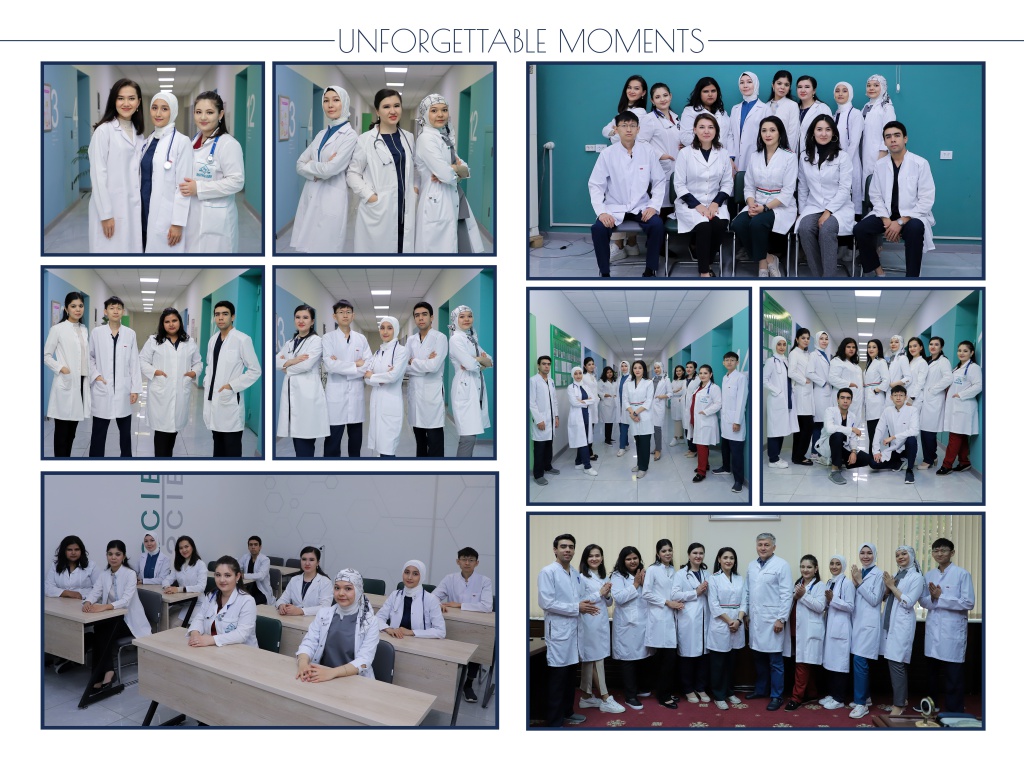
Training period: Training lasts for 2 years, during which the students attend practical and theoretical classes. Students listen to interesting lectures prepared by doctors and candidates of medical sciences, leading endocrinologists of RUz. During the training period all clinical residents have practical training in the departments of the center. Also they have an opportunity to participate in annual conferences with their reports, besides to take part in social life of the center.
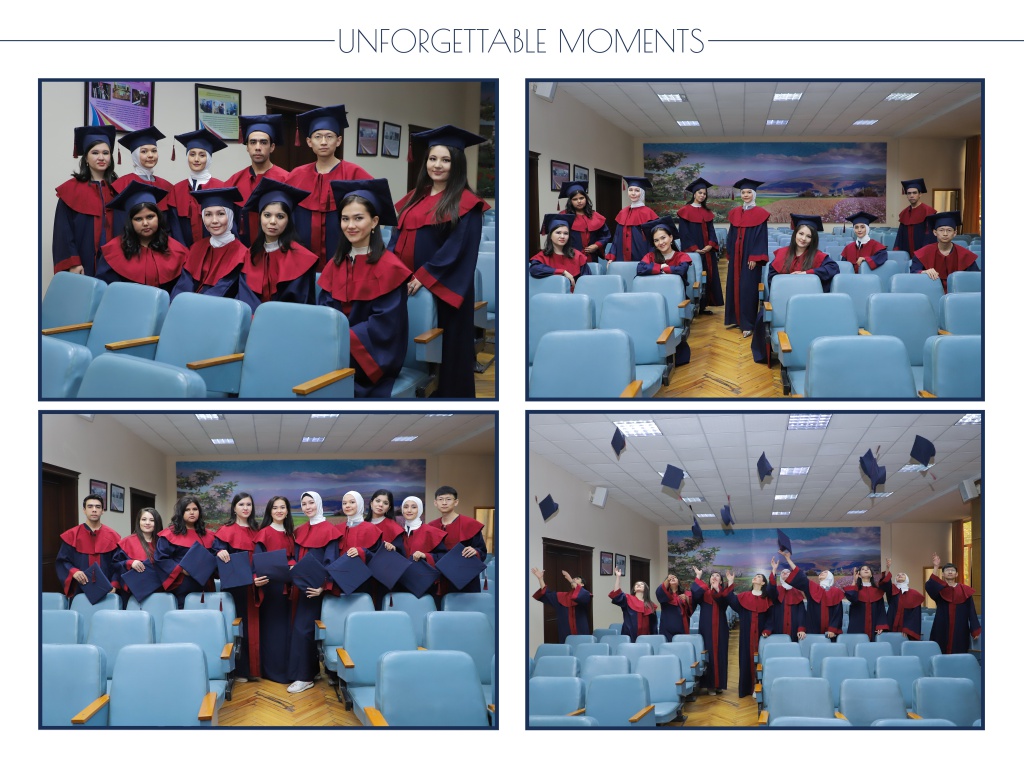
After the end of the second year of training residents receive a certificate of specialist of the corresponding specialty.
Conditions of training on a paid basis.
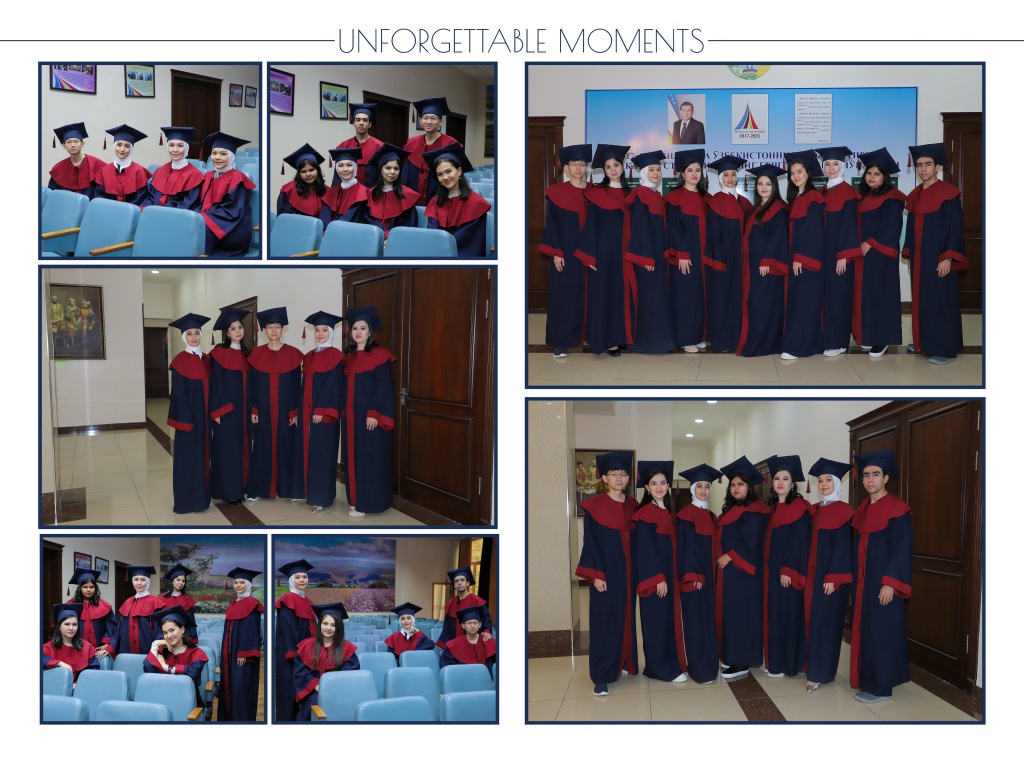
In 2020-2021 academic year 14 clinical residents were admitted on a competitive basis.